
"Pioneering Technical Education Since 1994"
Pioneering Technical Education in Awi Zone Since 1994
From humble beginnings to becoming a leading technical institution in the Awi Zone
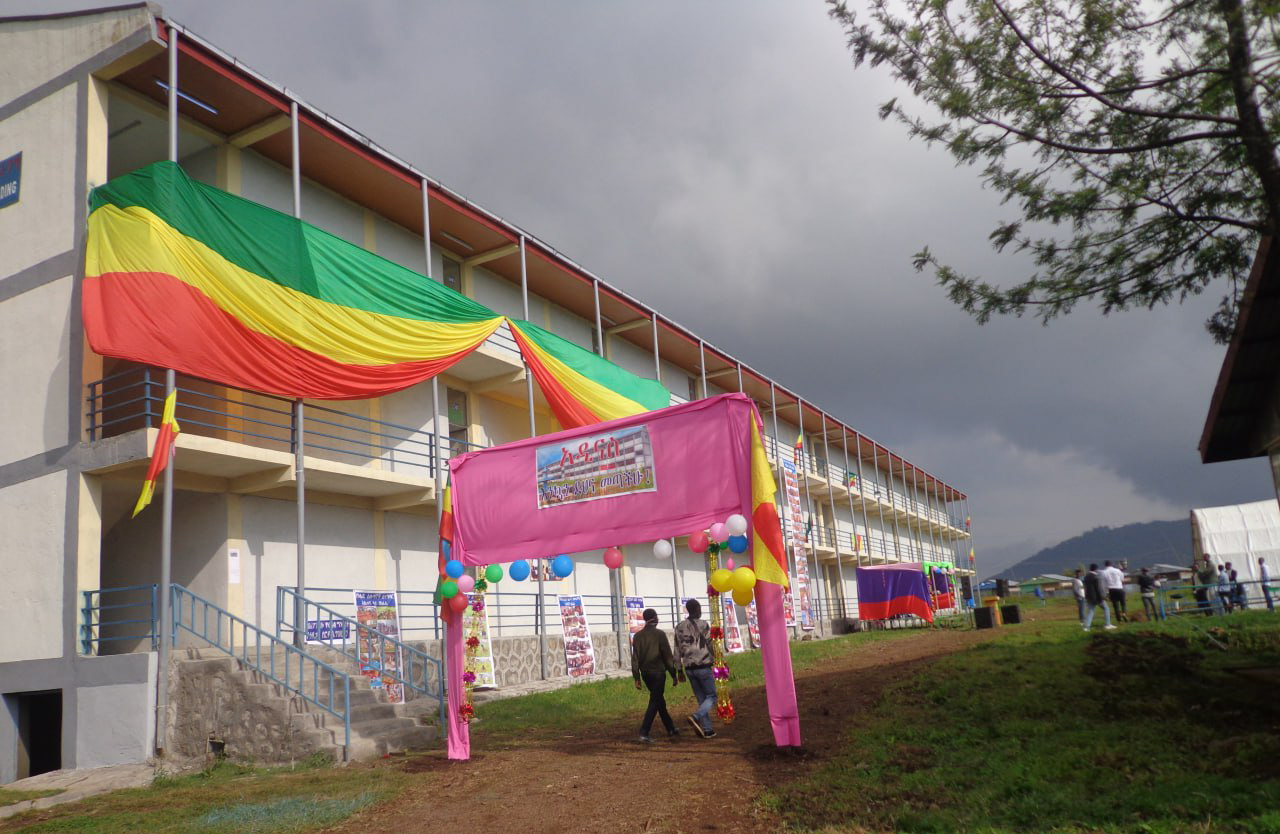
Established in 1994, Injibara Polytechnic College began as a small technical training center with a vision to provide practical skills to the youth of Awi Zone and surrounding regions. Our founders recognized the growing need for skilled technicians in Ethiopia's developing economy.
Starting with just three departments and a handful of instructors, the college quickly gained recognition for its hands-on approach to technical education and commitment to workforce development.
Injibara Polytechnic College was founded with initial programs in Construction, Metal Work, and Automotive Technology. The college began with 150 students and 12 instructors.
Added Electrical Technology and Wood Work departments in response to growing industry demands. Student enrollment increased to 350.
Completed construction of new workshops and laboratories, significantly enhancing practical training capabilities. Introduced Textile Technology program.
Established the Information and Communication Technology department, preparing students for the digital economy. Implemented computer labs across all departments.
Celebrated two decades of technical education excellence. Launched community outreach programs and strengthened industry partnerships.
Initiated college-wide digitalization project. Upgraded training equipment and implemented modern teaching methodologies across all programs.
Now offering comprehensive technical education with 7 departments, serving over 1,200 students annually with modern facilities and industry-aligned curriculum.
From foundational training to comprehensive technical education
Initially focused on essential trades including auto mechanics, carpentry, welding, and electricity, equipping students with practical skills for immediate workforce entry.
Over time, expanded offerings to include specialized technical programs in response to evolving industry needs and technological advancements.
Played a crucial role in regional development by producing skilled technicians for various sectors including construction, manufacturing, and telecommunications.
Our comprehensive training programs cover diverse technical fields:
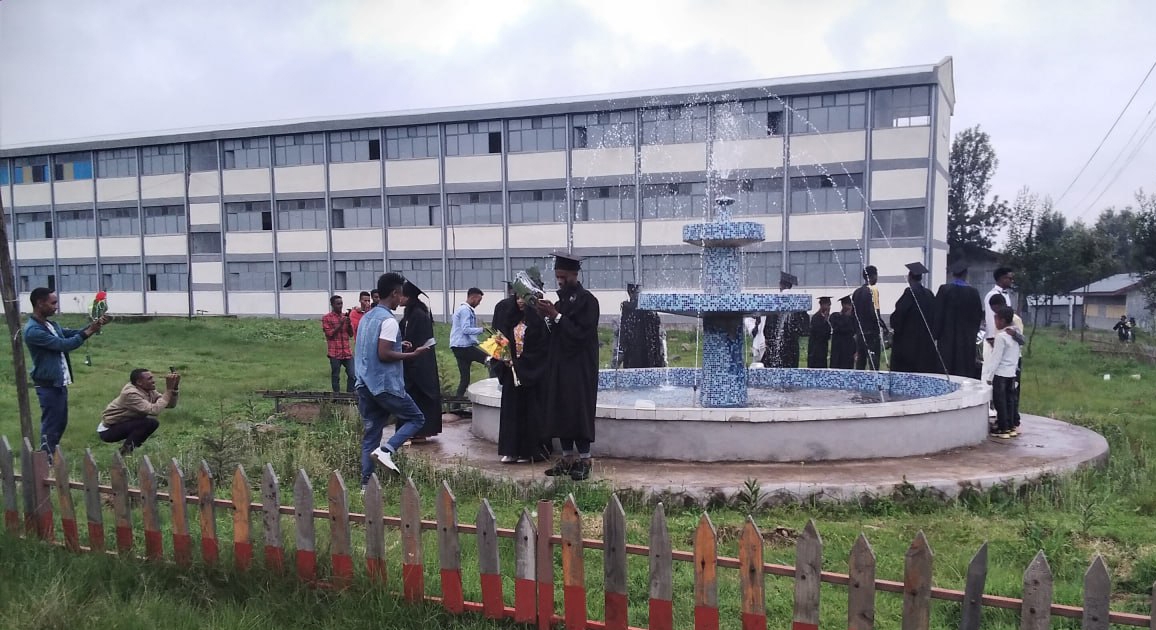
Today, Injibara Polytechnic College stands as a premier technical institution in the Awi Zone, recognized for:
Our graduates continue to make significant contributions to Ethiopia's development across various technical sectors.
Looking ahead, Injibara Polytechnic College is committed to:
We aim to become a center of excellence for technical and vocational education, driving innovation and economic development in the region.